From Scientific Capacity to Food Systems Transformation
Building the people, partnerships, and platforms needed to strengthen African agriculture.
For more than a decade, JR Biotek Foundation has invested in Africa’s greatest resource — its people. Today, we are building on that foundation by connecting science, innovation, entrepreneurship, indigenous crops, and farming communities through two flagship initiatives that together strengthen Africa’s agricultural innovation ecosystem.
Our work is built around two flagship initiatives that together create a pathway from scientific discovery to real-world impact.
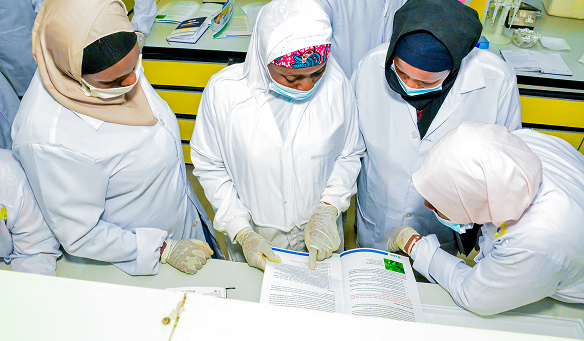
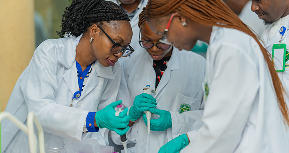
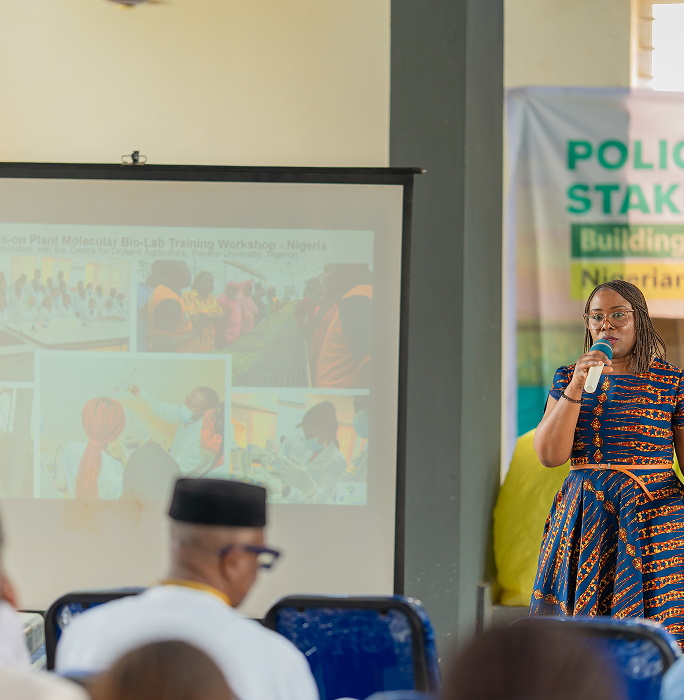
Molecular Bioscience Lab Capacity Building
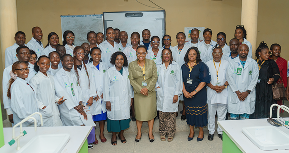
Empowering Africa's Next Generation of Agricultural Scientists
We equip African scientists with the skills, leadership, and international networks needed to advance agricultural research and translate science into real-world impact.
Impact at a glance
330+ Scientists trained hands-on 25+ African countries reached 100+ Research institutions represented 45,000+ Digital learning engagements
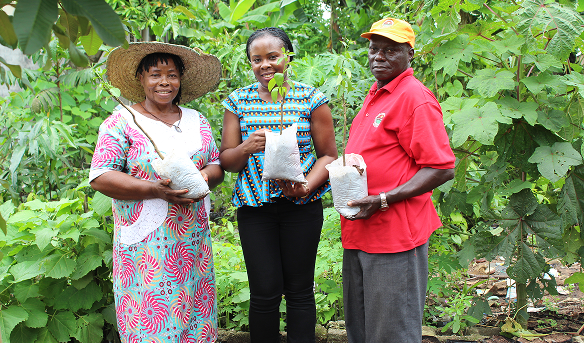
AGRIIP brings together scientists, entrepreneurs, farmers, agricultural extension professionals, universities, industry, governments, investors, and communities to co-create solutions around Africa’s indigenous and underutilised crops.
Through farmer engagement, research, innovation, entrepreneurship, and partnerships, AGRIIP helps transform ideas into practical solutions that improve livelihoods and strengthen food systems.
Our flagship initiatives are designed to work together. Scientific Capacity Building develops skilled researchers and innovators. AGRIIP connects those researchers with farmers, entrepreneurs, institutions, industry, and policymakers to co-create, test, and scale practical solutions for African agriculture.
Scientific Capacity Building
Advanced Skills • Leadership • Mentorship
AGRIIP
Scientists • Farmers • Entrepreneurs • Universities • Industry • Government
Research Translation
Innovation & Enterprise
Food Security • Climate Resilience • Livelihoods
THE AGRIIP ECOSYSTEM
One Platform. Four Connected Pillars.
Farmer Partnerships
Listening first. Understanding farmer priorities through community engagement and agricultural extension partnerships.
AGRIIP Research Fellowship
Supporting Africa’s scientists to investigate farmer-informed research challenges and strengthen indigenous crops through collaborative research.
AGRIIP Entrepreneurship Fellowship
Helping innovators transform promising ideas into climate-smart enterprises that create jobs and strengthen agricultural value chains.
Partnerships
Connecting universities, industry, governments, investors, researchers, and communities to accelerate impact.
AGRIIP IN ACTION
From Vision to Action
Although AGRIIP is a long-term initiative, important milestones have already been achieved, demonstrating the platform in action.
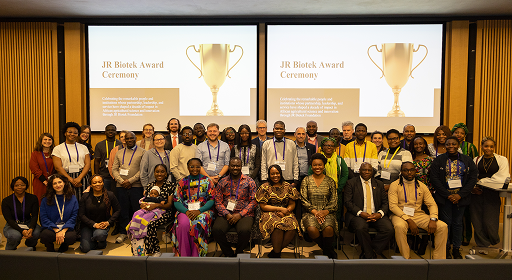
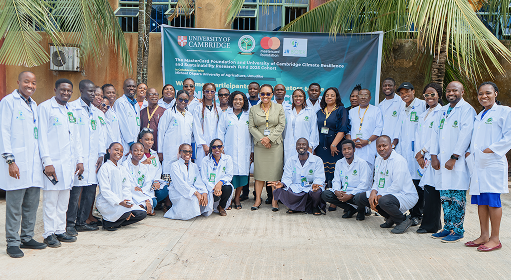
JR Biotek Foundation's 10-year anniversary & AGRIIP Launch - Cambridge
Introduced AGRIIP’s long-term vision for strengthening Africa’s indigenous crops through science, innovation, and collaboration.
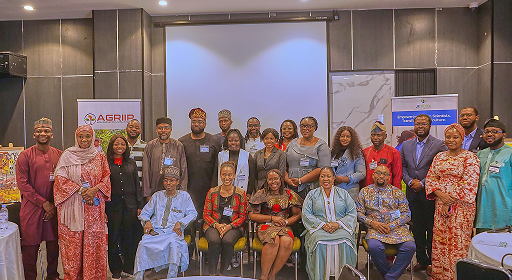
National Launch – Abuja
Official launch in Nigeria with researchers, universities, policy experts, and partners.
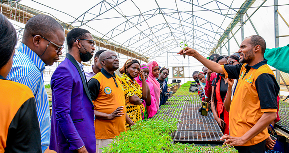
Demonstration Project – Abia State
The first AGRIIP field demonstration combined:
Training 30 agricultural (and related) scientists
Engaging 50 smallholder farmers
Farmer focus group discussions
Climate resilience education
Community medical outreach
demonstrating how scientific capacity building and farmer engagement can work together.
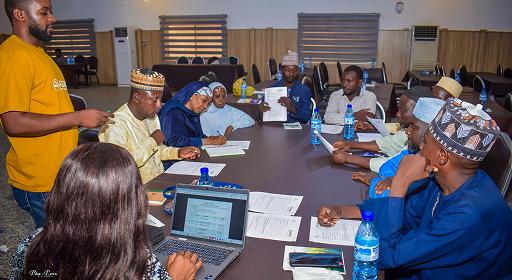
Kano Inception Meeting
AGRIIP expanded into Kano State through an inception meeting, followed by focus group discussions led by 8 agricultural extension experts and community-based facilitators, engaging 637 smallholder farmers across six Local Government Areas. The insights generated now inform AGRIIP’s farmer-centred research, innovation, and entrepreneurship programmes.
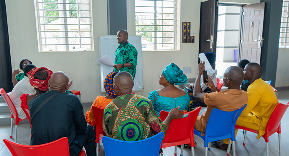
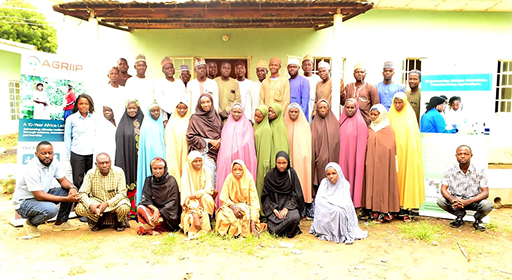
Farmer Sensitisation Workshop
AGRIIP returned to partner farming communities in Kano to strengthen relationships, share progress, and engage farmers, District Heads, agricultural extension professionals, and community leaders in discussions on indigenous crops, climate resilience, and their role as co-creators of future research and innovation.
The AGRIIP model begins by listening to farmers and agricultural extension professionals, then brings together science, innovation, entrepreneurship, and partnerships to co-create practical solutions that are tested, refined, and scaled with communities.
MAP
SAFEGUARD
ADD VALUE
SCALE
ANCHOR
OUR AMBITION
Building Africa’s Agricultural Innovation Ecosystem by 2036
By 2036, AGRIIP aims to help:
Empower 10,000scientists
Support 10 million smallholder farmers
Advance 30+ indigenous and underutilised crops
Catalyse 1000 agricultural enterprises
Build Africa's leading agricultural innovation ecosystem
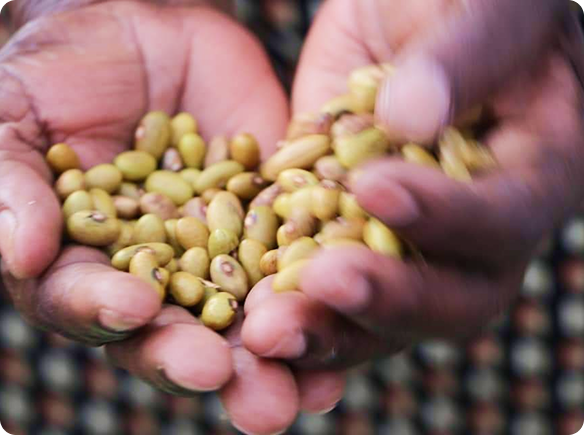
Many of Africa’s indigenous crops are naturally nutritious, climate-resilient, and well adapted to local environments, yet remain under-researched and underutilised. AGRIIP is helping unlock their potential by connecting scientific research, farmer knowledge, innovation, entrepreneurship, and strategic partnerships.
WHY OUR WORK MATTERS
Agriculture is about more than food. It is about nutrition, health, climate resilience, livelihoods, biodiversity, and economic opportunity.
By investing in scientists and connecting them with farmers, entrepreneurs, industry, and policymakers, JR Biotek Foundation is helping build more resilient and sustainable food systems across Africa.
LOOKING AHEAD
The journey has only just begun
The challenges facing African agriculture require long-term commitment, bold ideas, and strong partnerships. As we enter our second decade, we remain committed to empowering people while building the partnerships and innovation ecosystem needed to transform African agriculture.
JOIN US
Be Part of Africa’s Next Chapter
Whether you’re a scientist, student, entrepreneur, university, donor, corporate partner, policymaker, volunteer, or philanthropist, there’s a place for you in our growing community.
Together, we can strengthen scientific capacity, revitalise indigenous crops, support farming communities, and build resilient food systems across Africa.